
Food facts from the larder
Short essays on how the things in our kitchen got there — Georgian walnuts and herbs, ancient wine, yeast, salt, saffron — and what their stories say about how we eat.
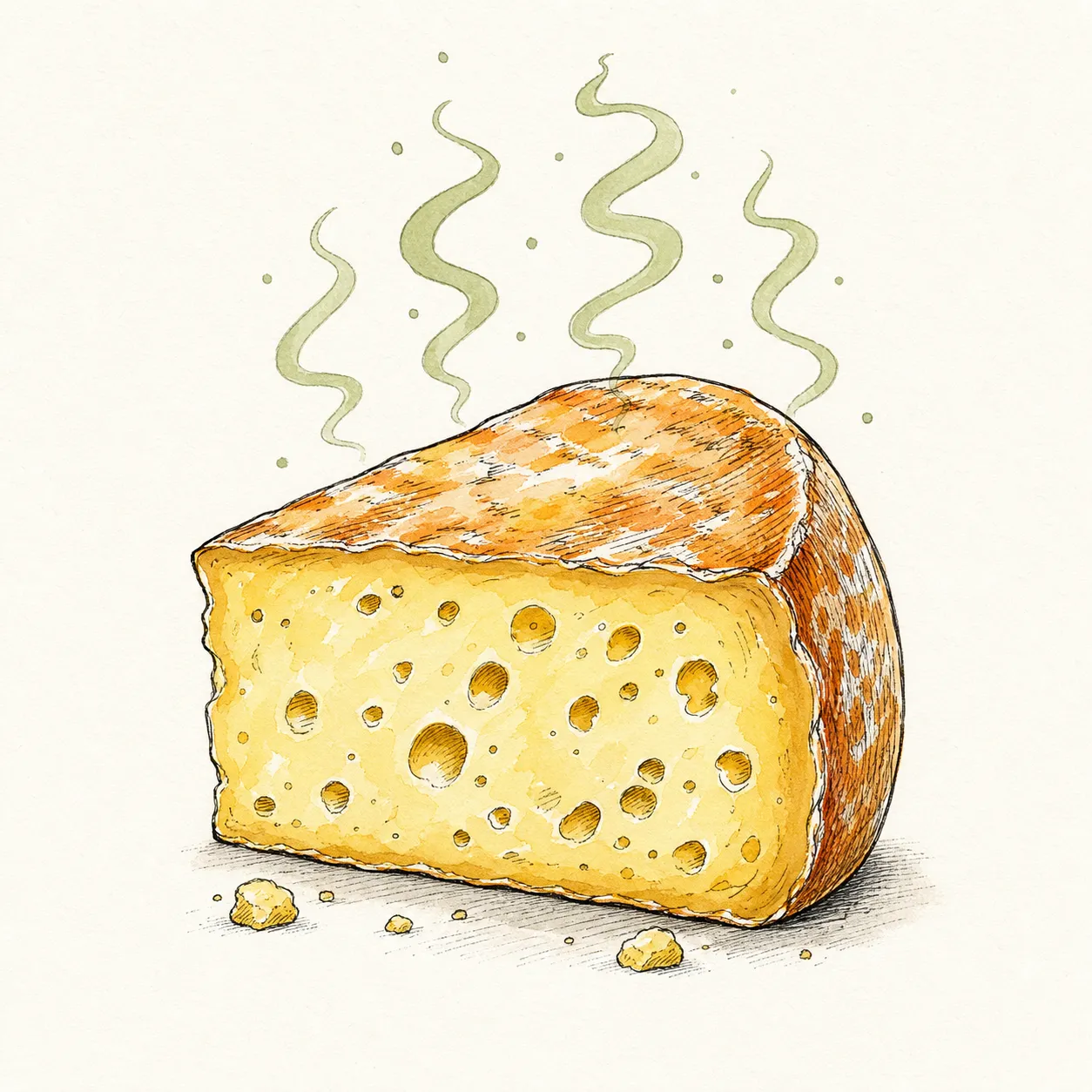
Aged cheese smells like feet because it's made by the same bacteria
The pungent smell of washed-rind cheeses like Limburger and Époisses comes from Brevibacterium linens — the same bacterium responsible for the odour of human feet. The cheese doesn't smell like feet by coincidence. It is using the same chemical process on the rind.
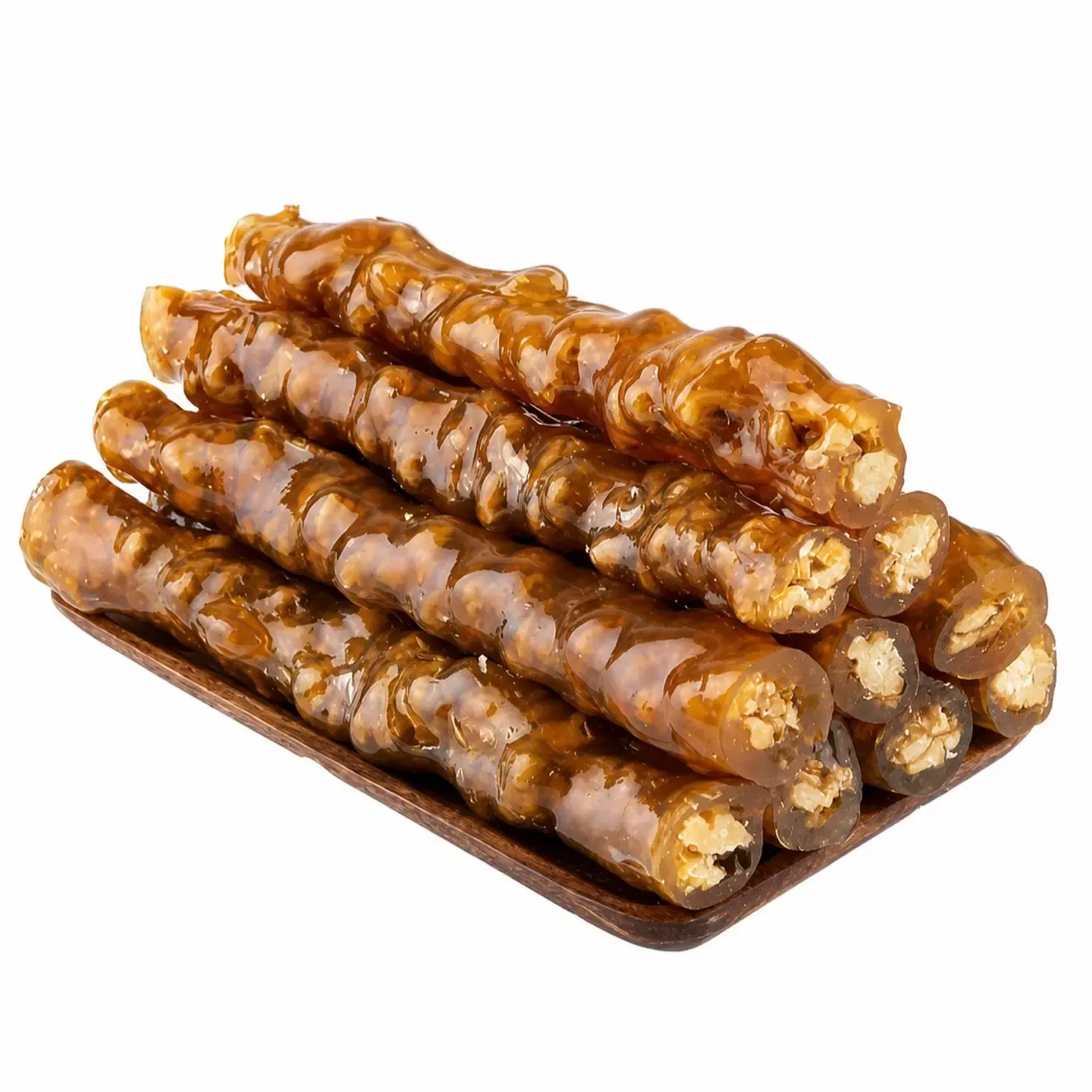
Churchkhela: the Georgian energy bar that predates protein bars by 1,000 years
Churchkhela is a Georgian confection made by dipping threaded walnuts or hazelnuts repeatedly into thickened grape must until a candle-shaped sweet forms. It has been carried by Georgian warriors and travellers as portable food for over a thousand years. It also happens to be genuinely nutritious.
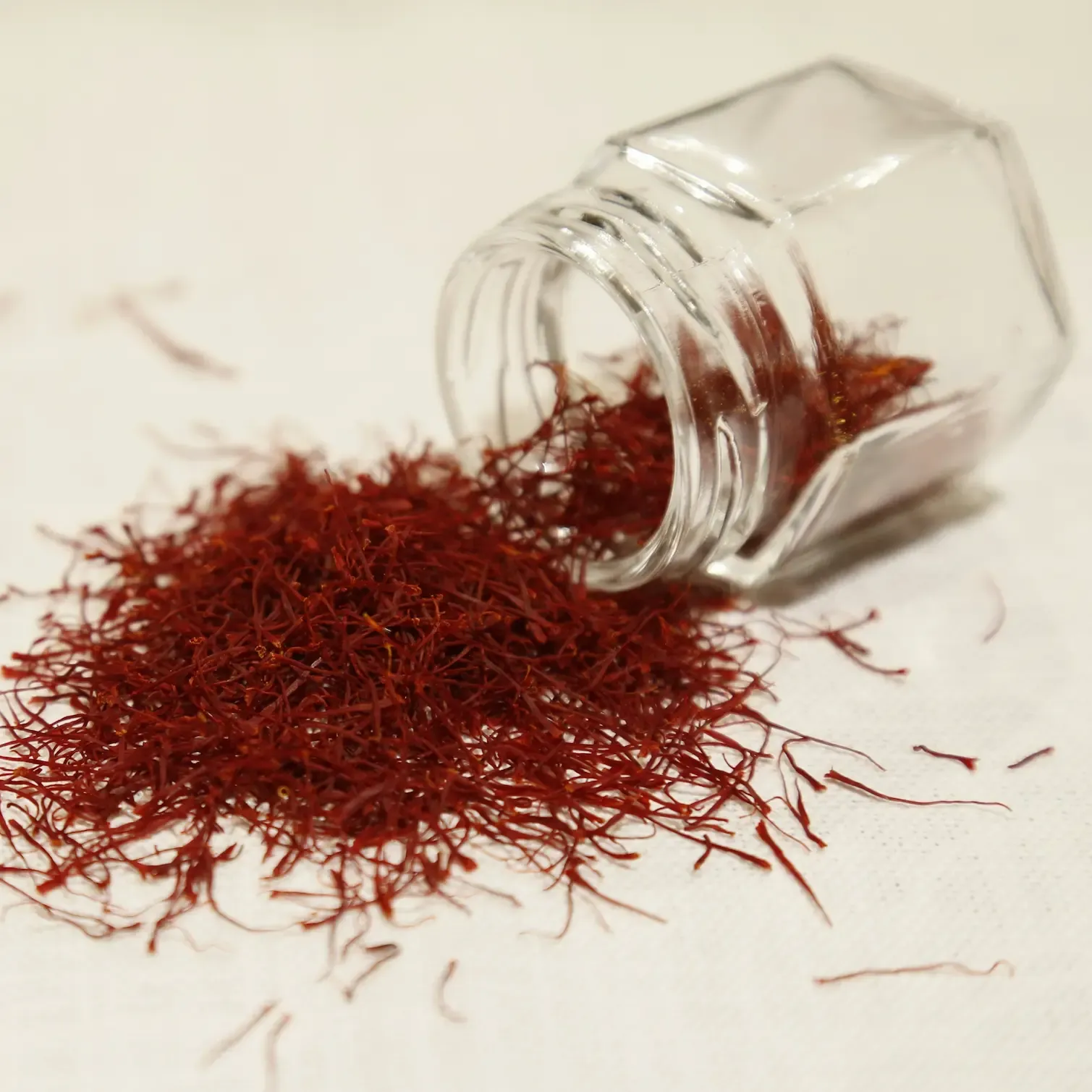
Saffron costs more than gold by weight
The world's most expensive spice is three red stigmas from a single autumn crocus. To make one kilo you pick a hundred and fifty thousand flowers — by hand, before the sun is up.
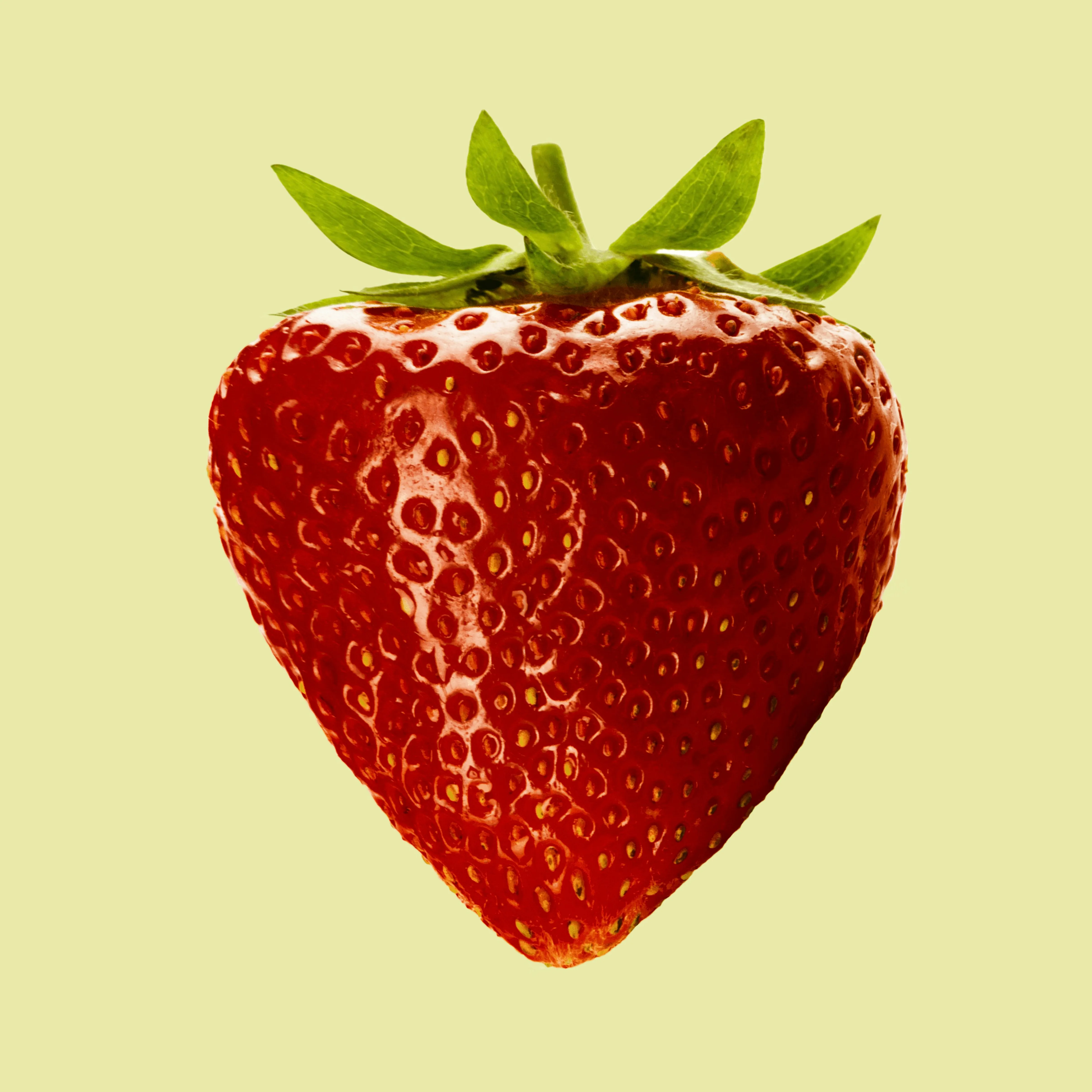
Strawberries are not berries — but bananas and avocados are
In botanical terms, a berry is a fleshy fruit developed from a single flower with one ovary. By this definition, strawberries, raspberries, and blackberries are not berries — but bananas, avocados, tomatoes, peppers, and cucumbers are. The mismatch between botanical and culinary definitions confuses almost everyone the first time they encounter it.
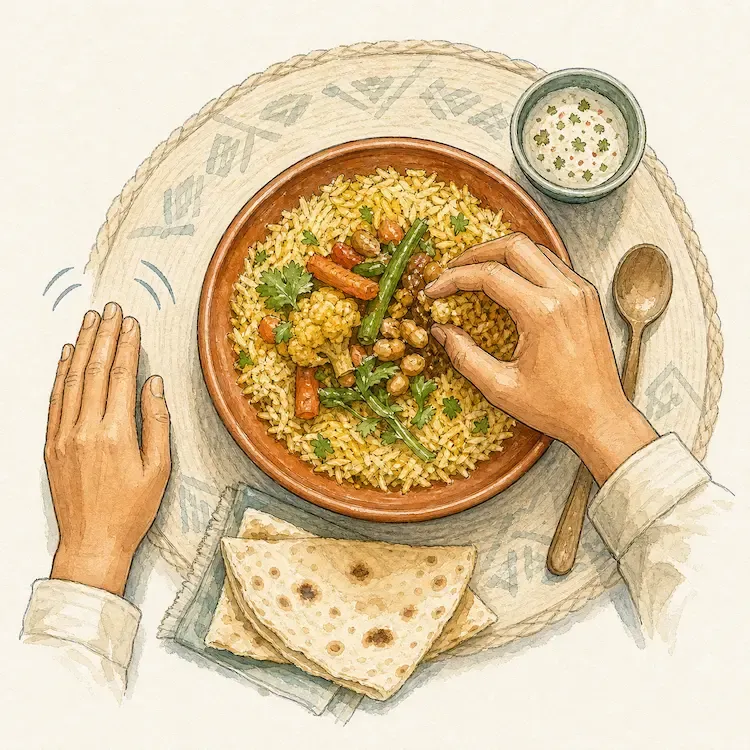
Why eating with your left hand is taboo in half the world
In much of the Middle East, South Asia, and parts of Africa, eating with the left hand is considered deeply rude or even taboo. The prohibition has a practical origin in pre-toilet sanitation, but it has been elevated through religious and cultural practice into one of the most widely observed food rules in the world.