


Georgian recipes, Caucasus food,
and a kitchen codex.
Slow-tested dishes, old-world breads, walnut sauces, market herbs, and food facts from the table.
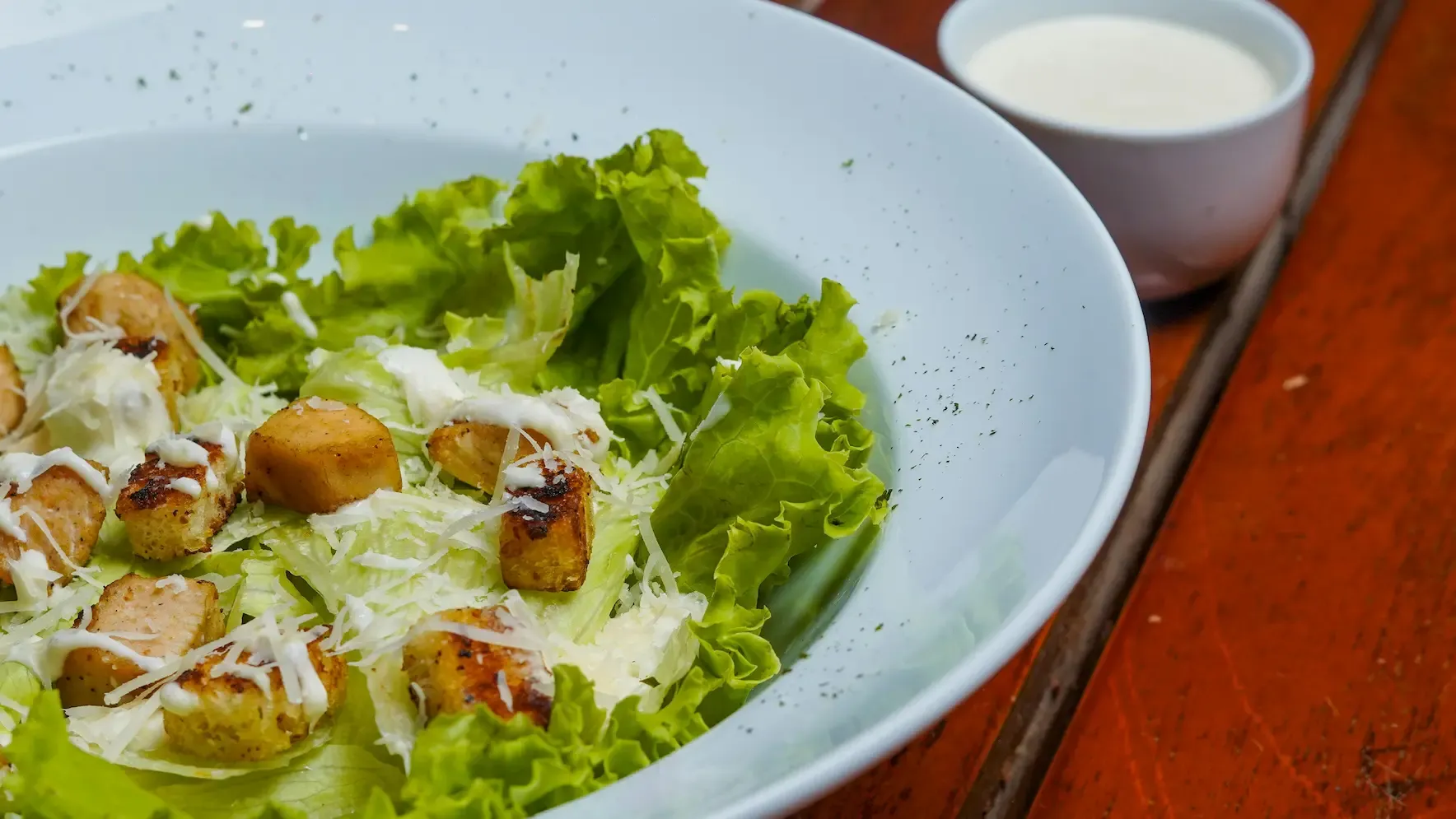
Chicken Caesar Salad
The most popular salad in the world: seasoned pan-seared chicken breast laid over crisp romaine, golden croutons, and shaved Parmesan, all pulled together by a creamy garlic-Parmesan Caesar dressing. The dressing uses mayonnaise as the base — faster and more consistent than raw egg emulsion, and exactly how it's made in most restaurants. Ready in under 30 minutes and filling enough to be dinner.
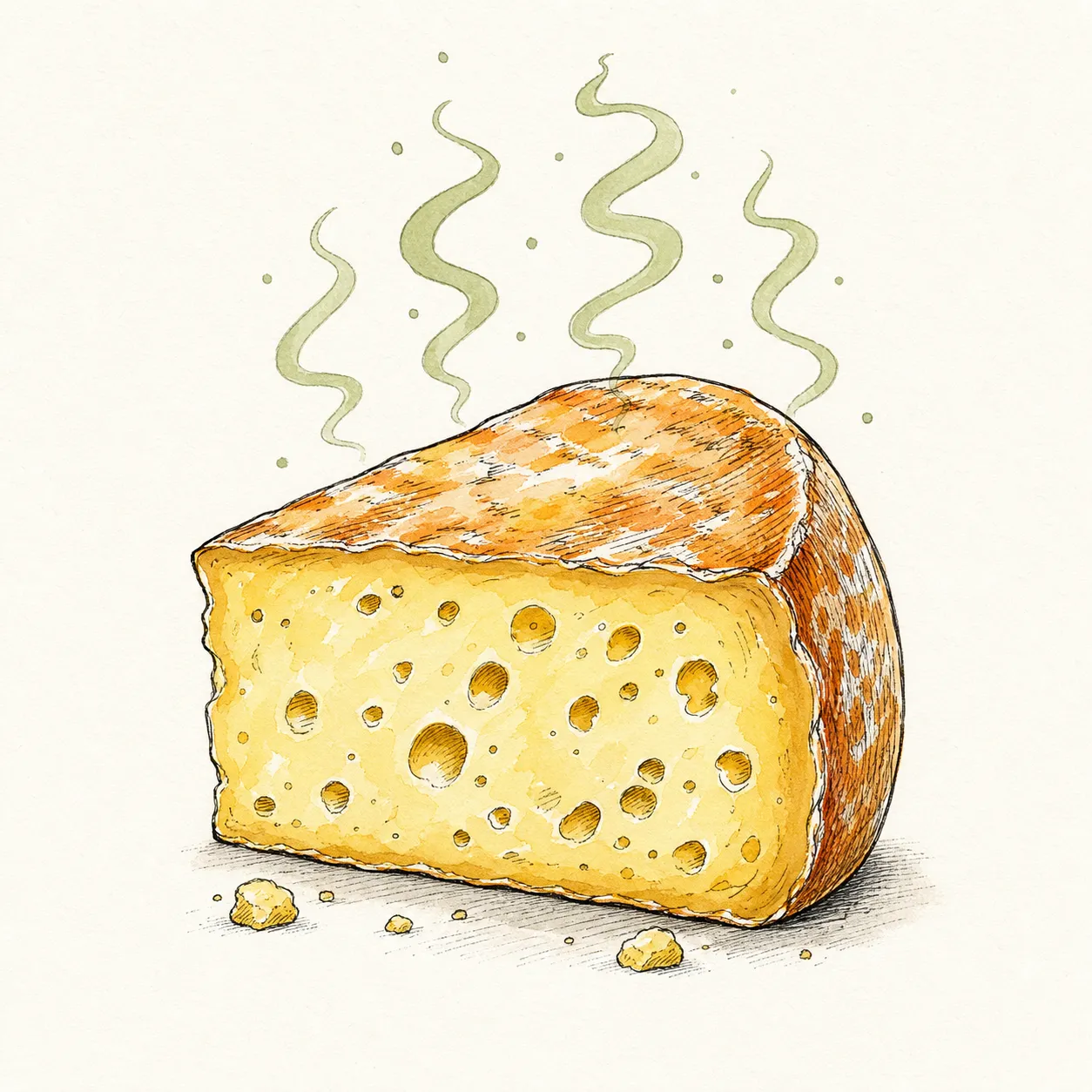
Aged cheese smells like feet because it's made by the same bacteria
The pungent smell of washed-rind cheeses like Limburger and Époisses comes from Brevibacterium linens — the same bacterium responsible for the odour of human feet. The cheese doesn't smell like feet by coincidence. It is using the same chemical process on the rind.
Wander the kitchen
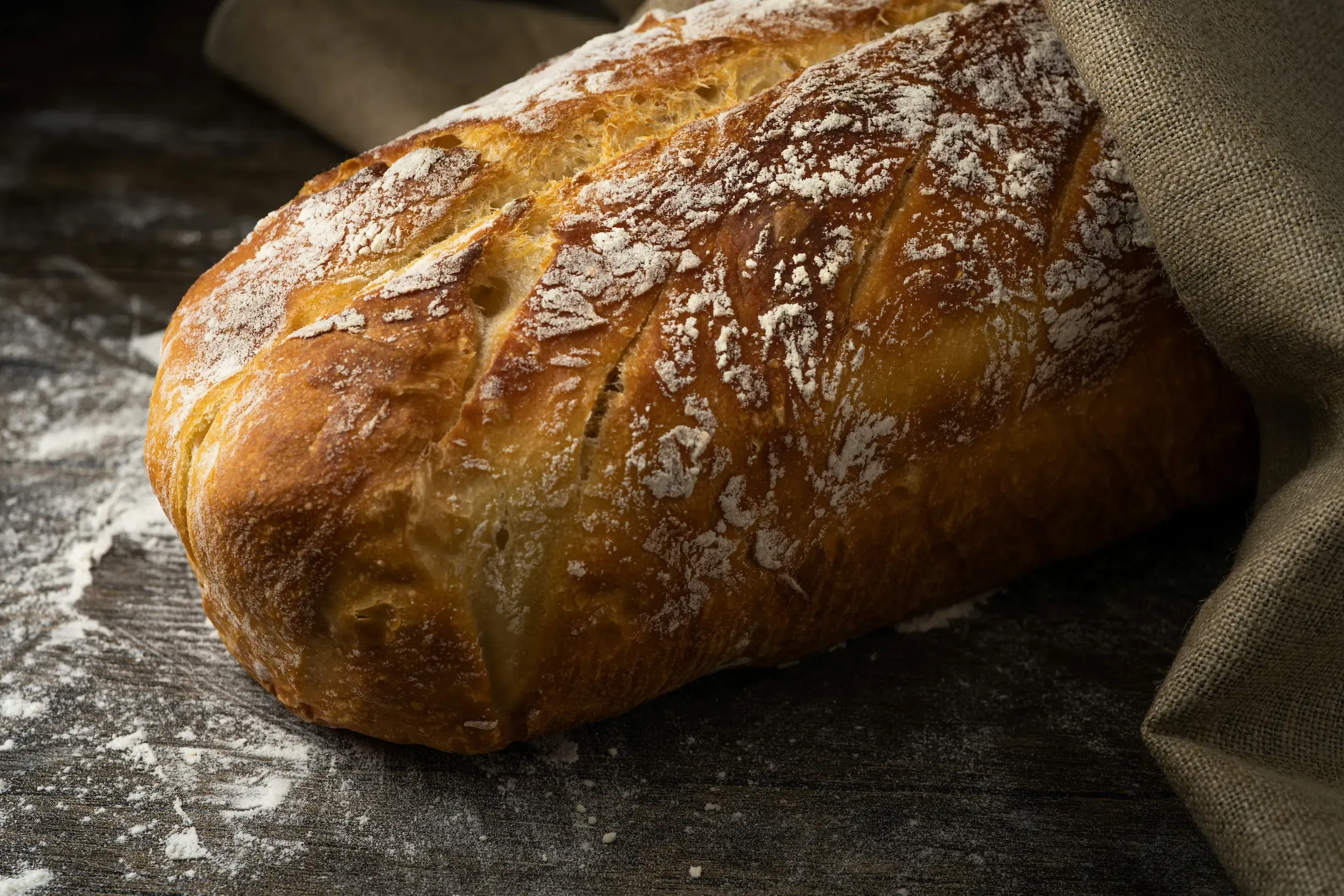
Breads
Of yeasted enchantments and patient kneading.
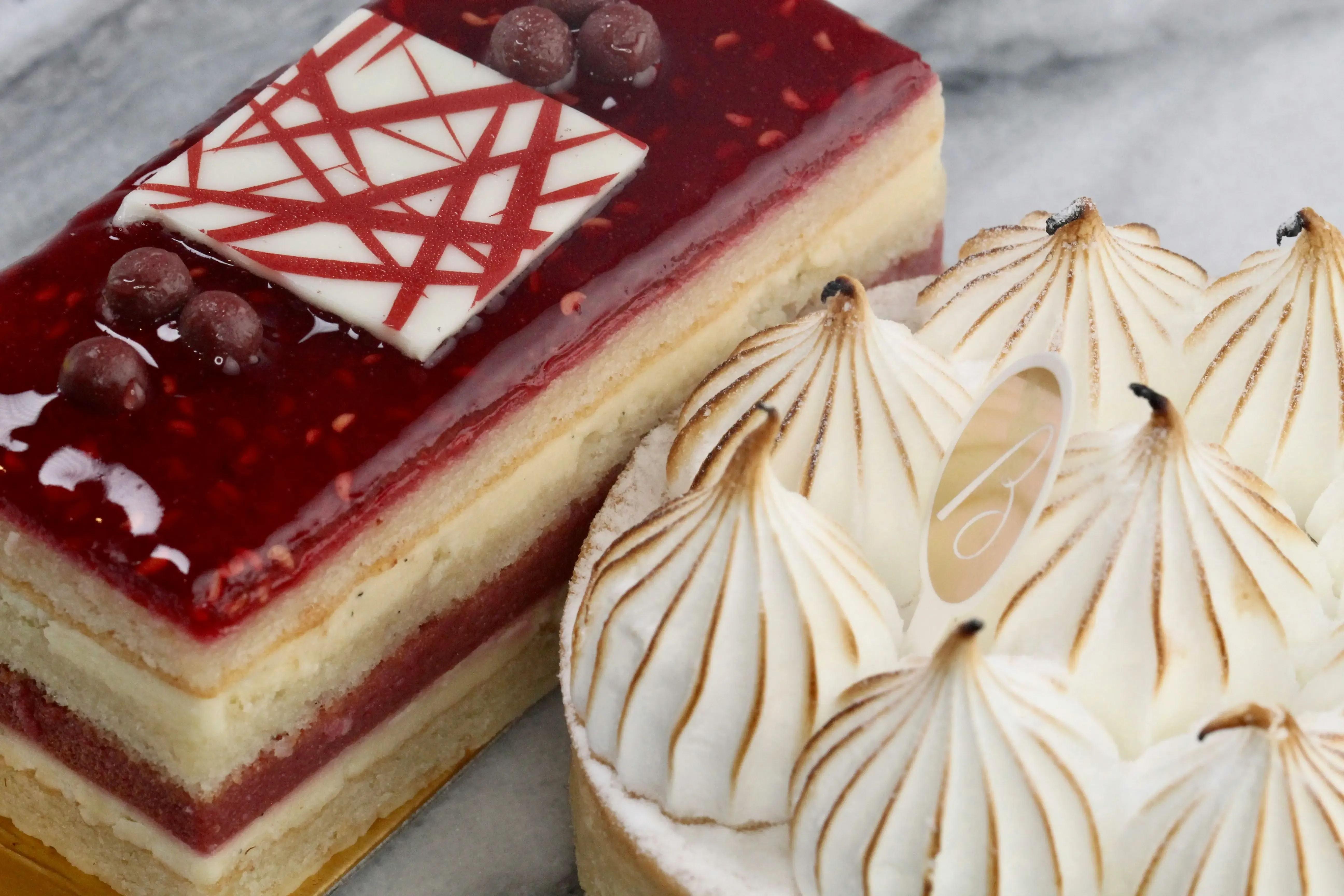
Desserts
Sugared spells, glazes, and ember-warmed crumb.
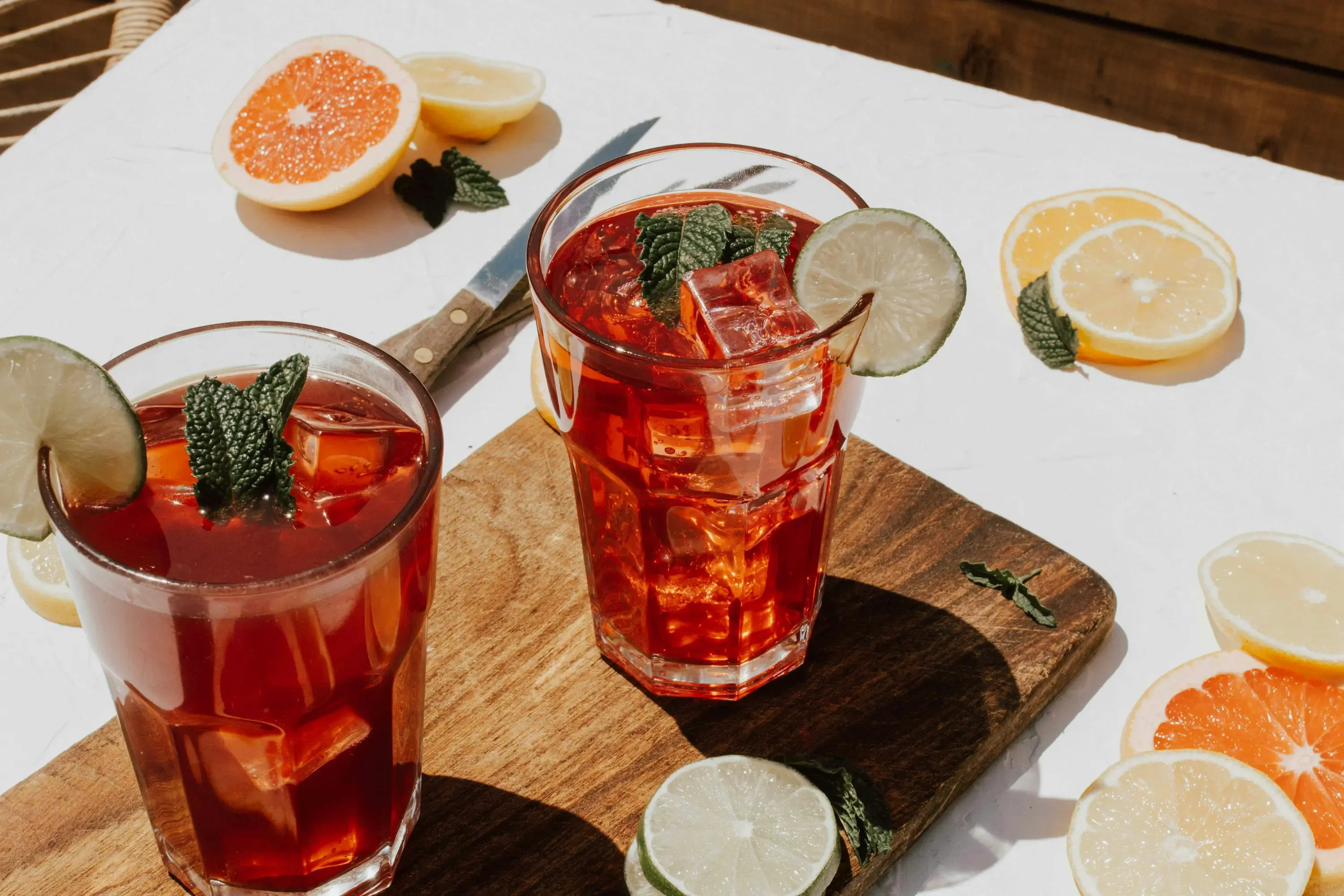
Drinks
Steeped, shaken, decanted — a glass for every hour.
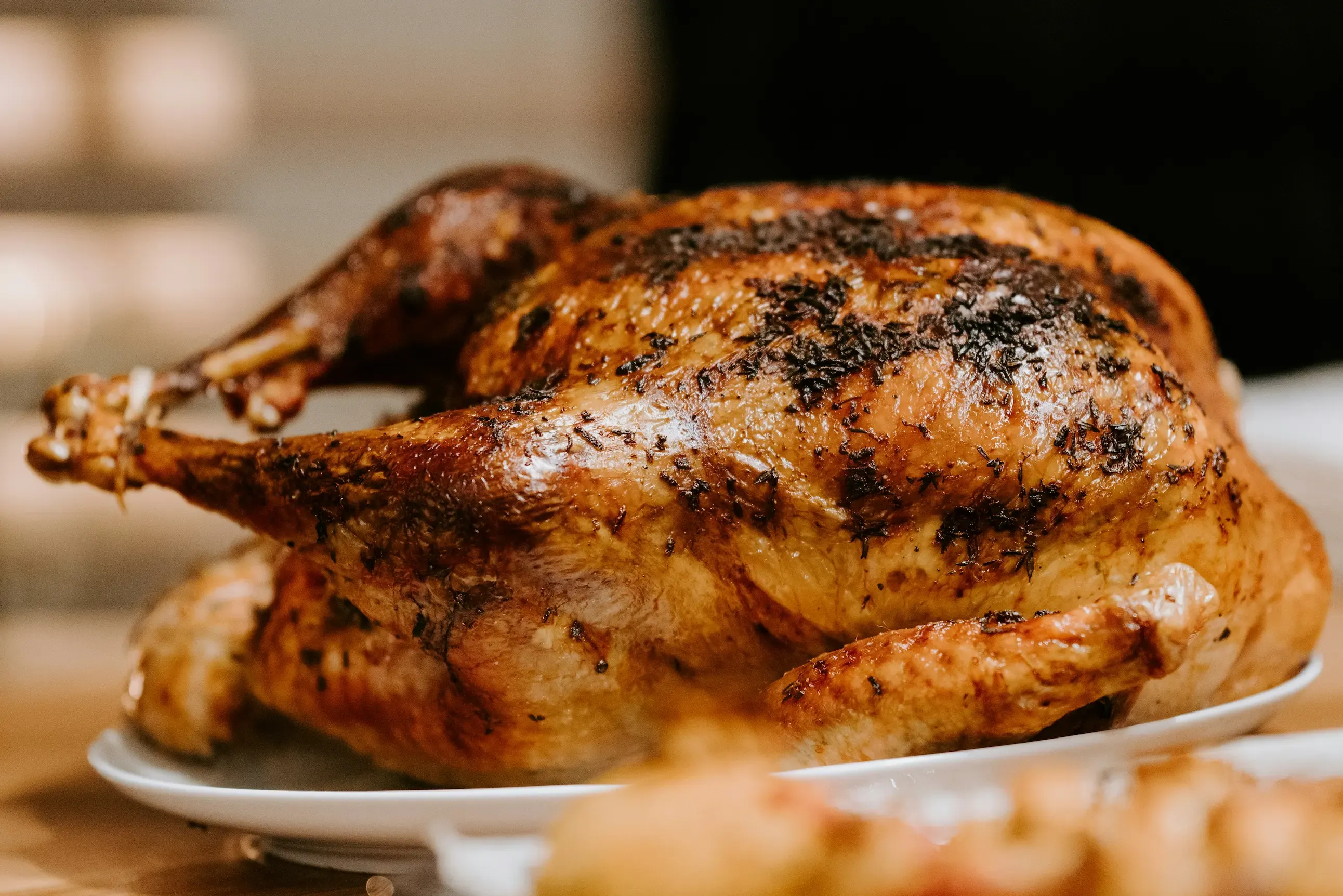
Mains
Centerpieces forged in the long fire of an evening.
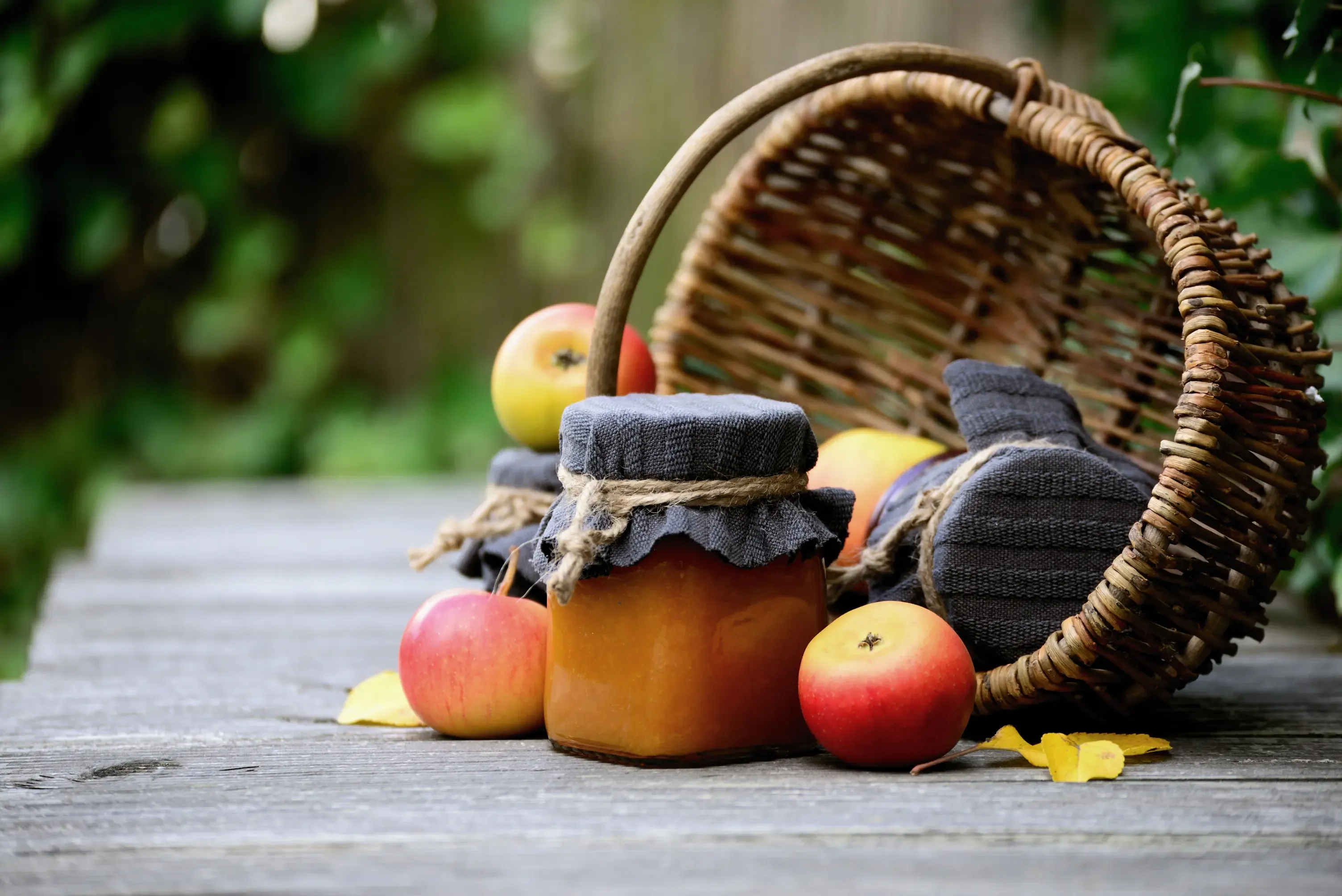
Preserves
What the harvest leaves behind, kept until snowfall.
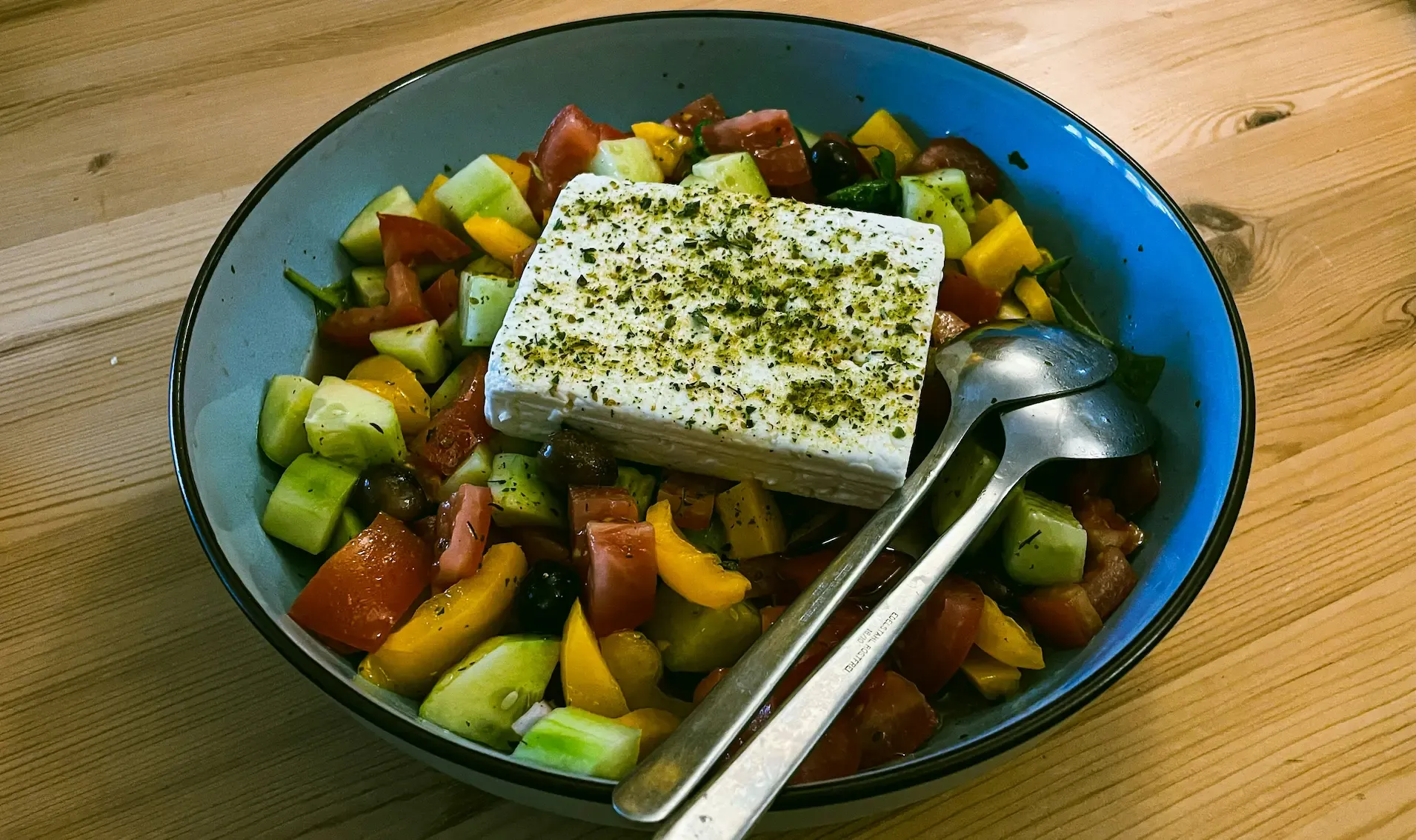
Salads
Greens, herbs, and bright accidents from the plot.
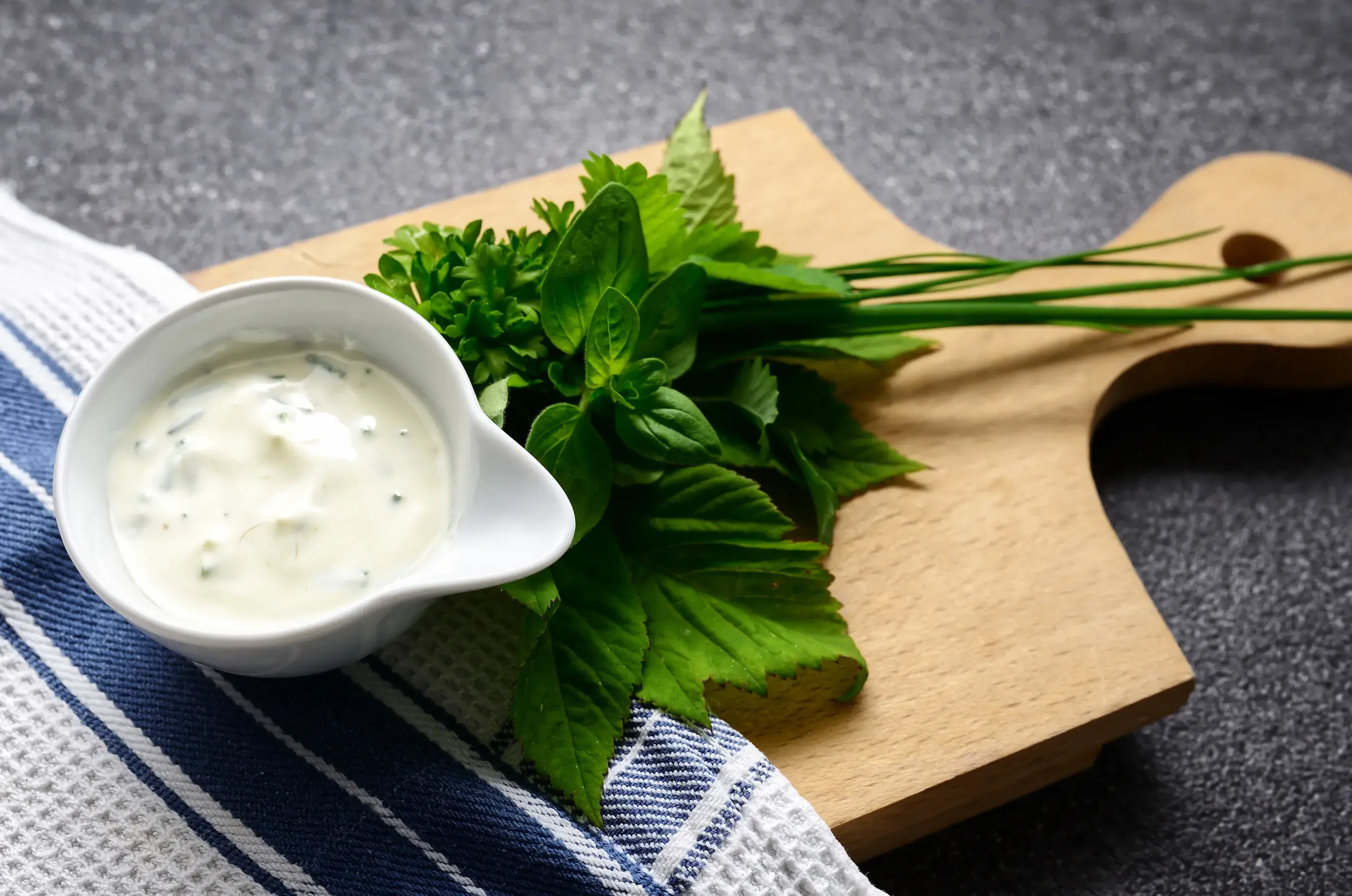
Sauces
Mortars, oils, and the small magics of finishing.
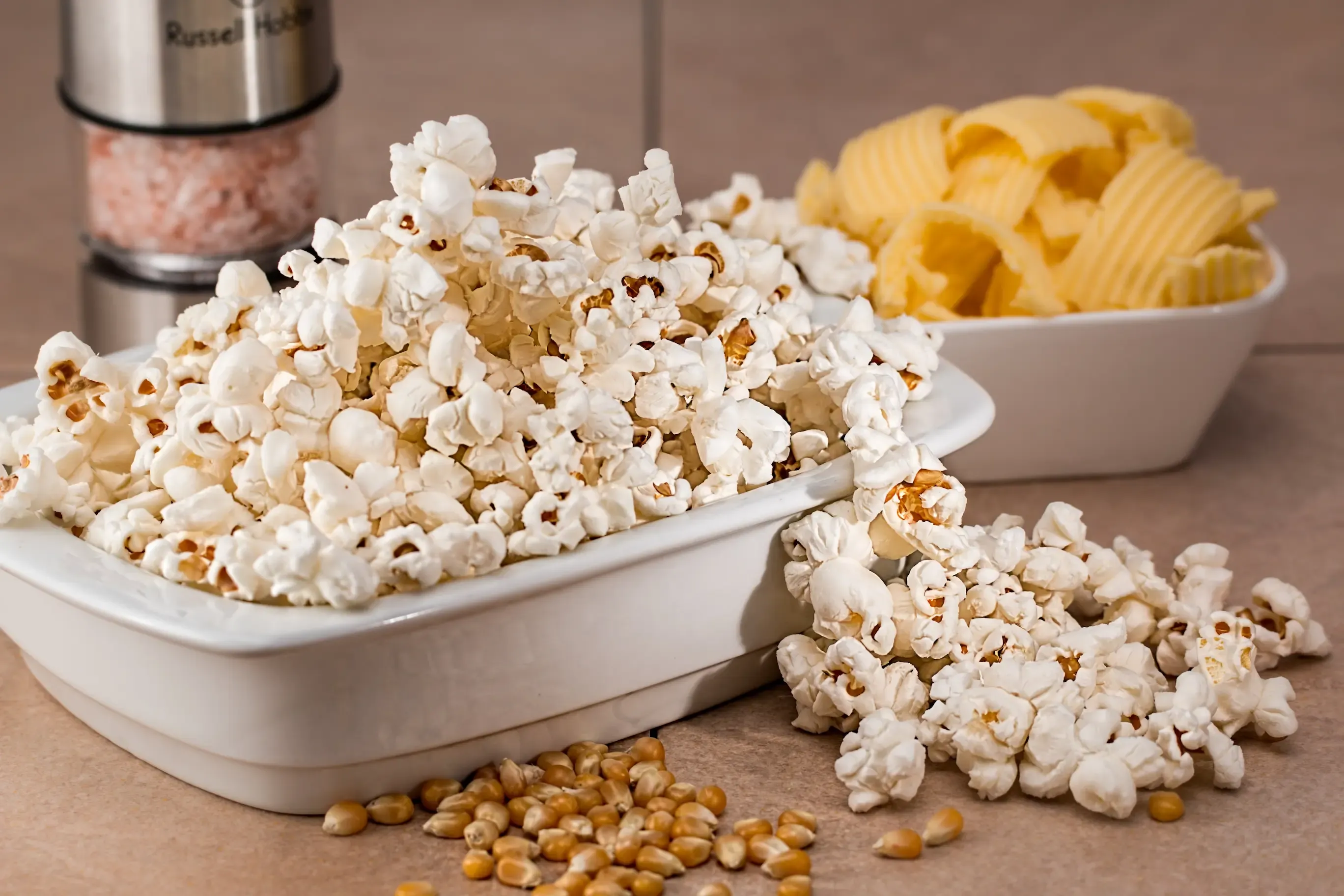
Snacks
Small bites for between the spells.
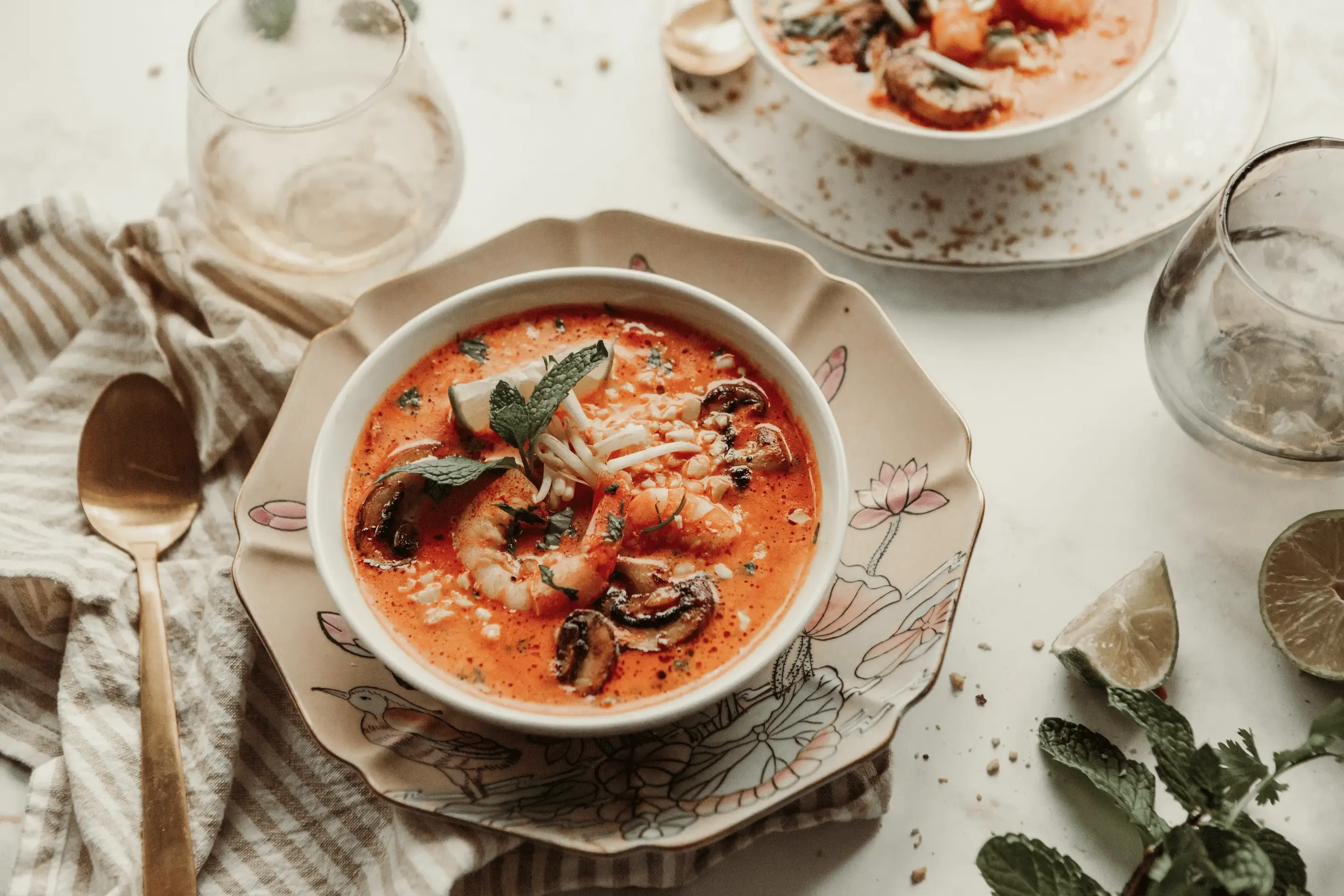
Soups
Slow-simmered broths to mend any weary traveler.
Newly added to the shelf
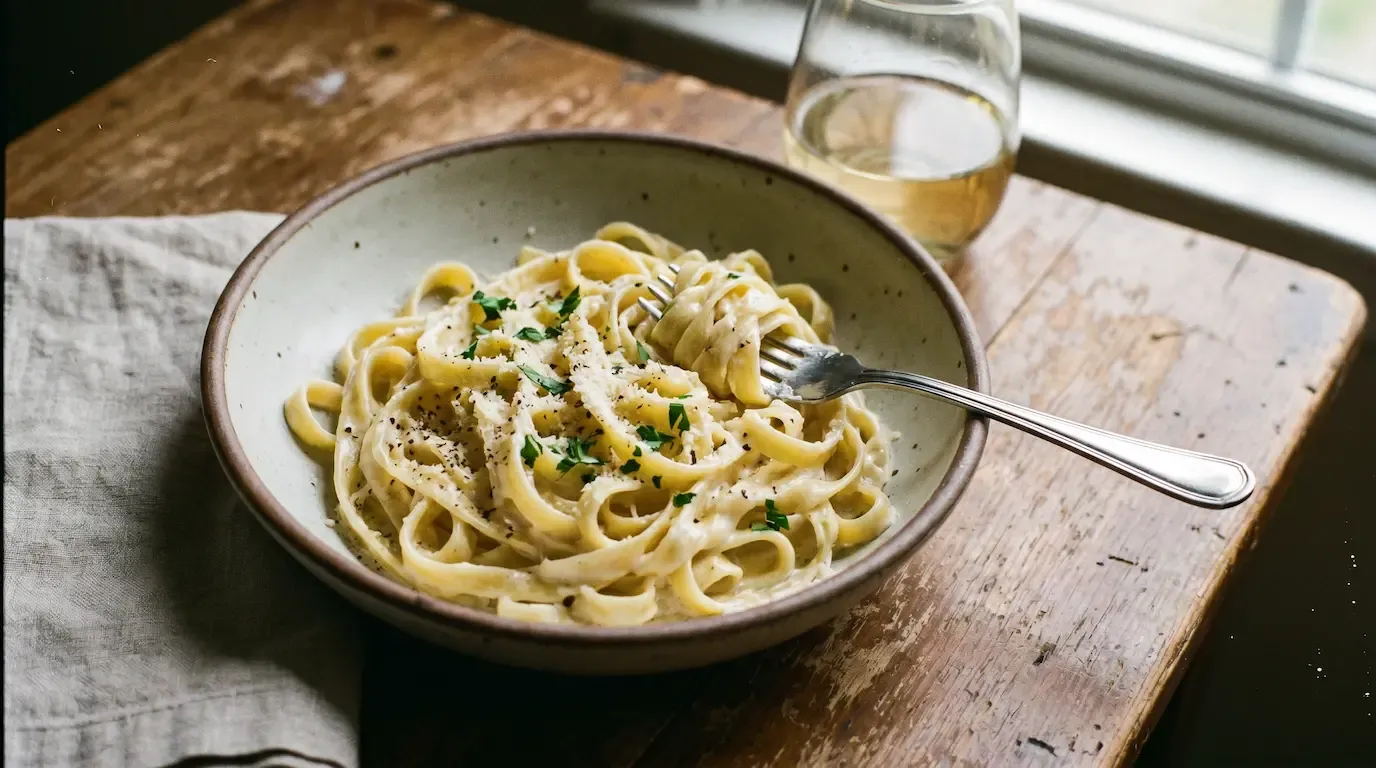
Fettuccine Alfredo
A classic homemade fettuccine alfredo — butter, heavy cream, freshly grated Romano and Parmesan, melted over low heat and tossed through hot pasta until every strand is glossed in sauce. Thirty minutes, no roux, no flour. Rich enough for company, fast enough for a Tuesday. Adapted from the Allrecipes 'To Die For' version.
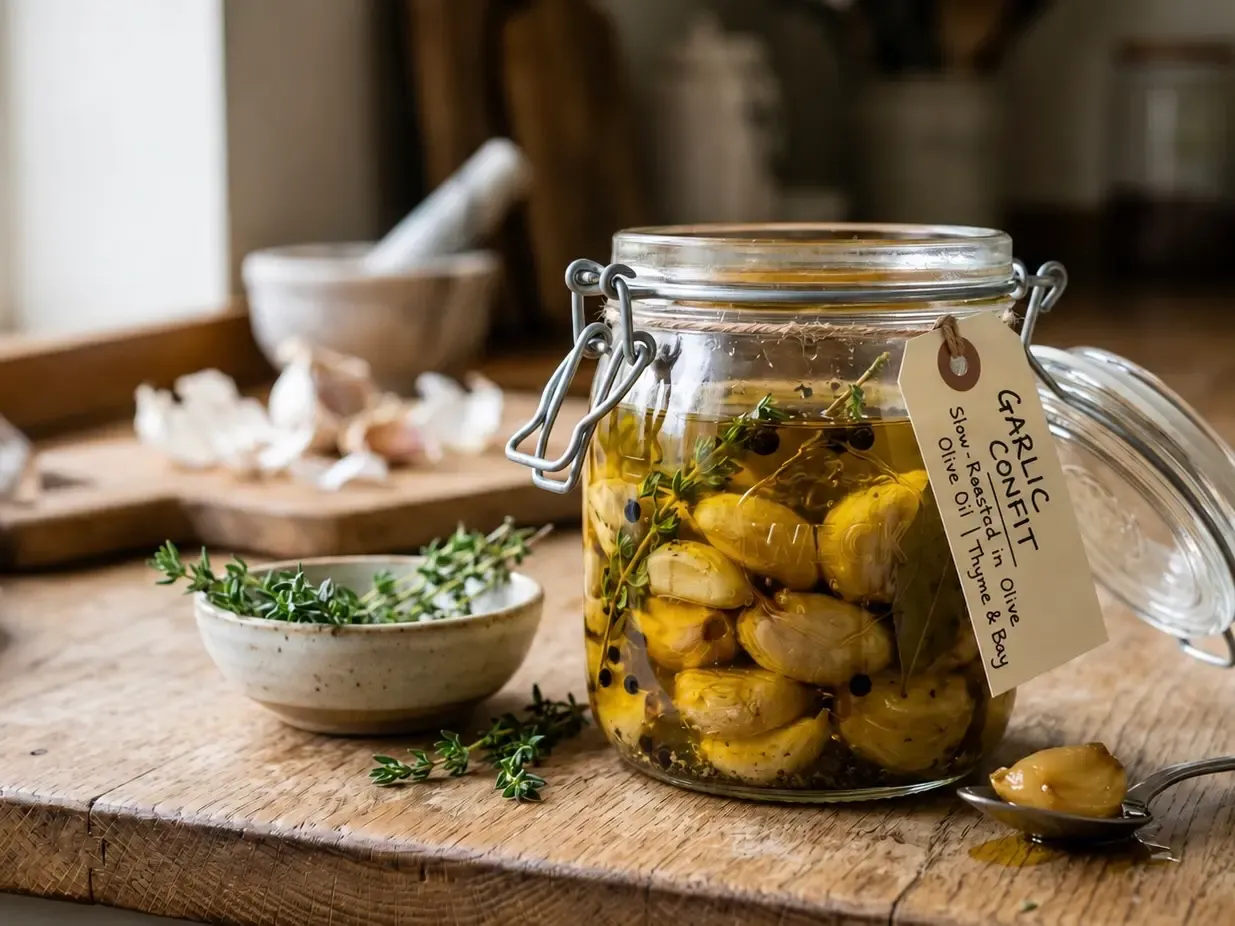
Garlic Confit
Whole garlic cloves slow-cooked in olive oil with thyme until golden and meltingly soft. Sweet, mellow, nothing like raw garlic. Spread on toast, fold into pasta, smear on roast meat. Adapted from Daen's Kitchen.
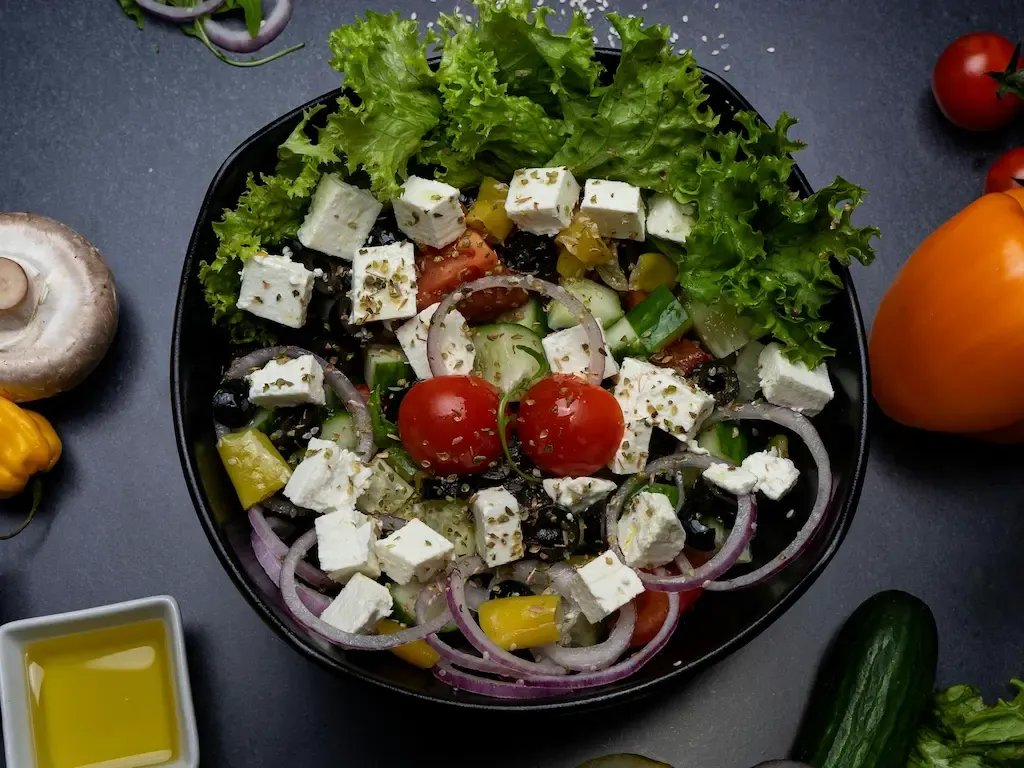
Greek Salad
The Greek salad most people actually make and order — crisp romaine, juicy tomatoes, cucumber, red onion, Kalamata olives, and crumbled feta, tossed in a sharp red wine vinegar and olive oil dressing spiked with garlic and oregano. Punchy, cold, filling, done in fifteen minutes. Works as a side or a full lunch with pita on the side.
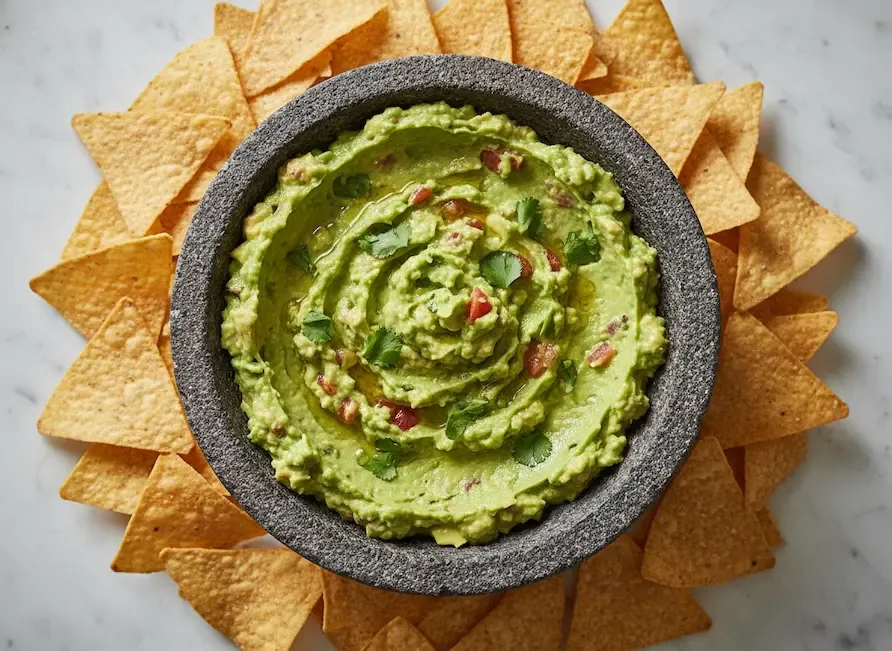
Guacamole (Traditional Mexican Style)
Guacamole built the proper way — avocado roughly mashed in a molcajete with white onion, serrano, cilantro, lime, and salt. No garlic, no sour cream, no shortcuts. The serrano runs hotter and more floral than jalapeño; the white onion bites sharper than red. Salting in stages is what keeps it from turning flat. Make it five minutes before it's needed and eat it immediately — this is not a dish that waits.
Food facts from the larder
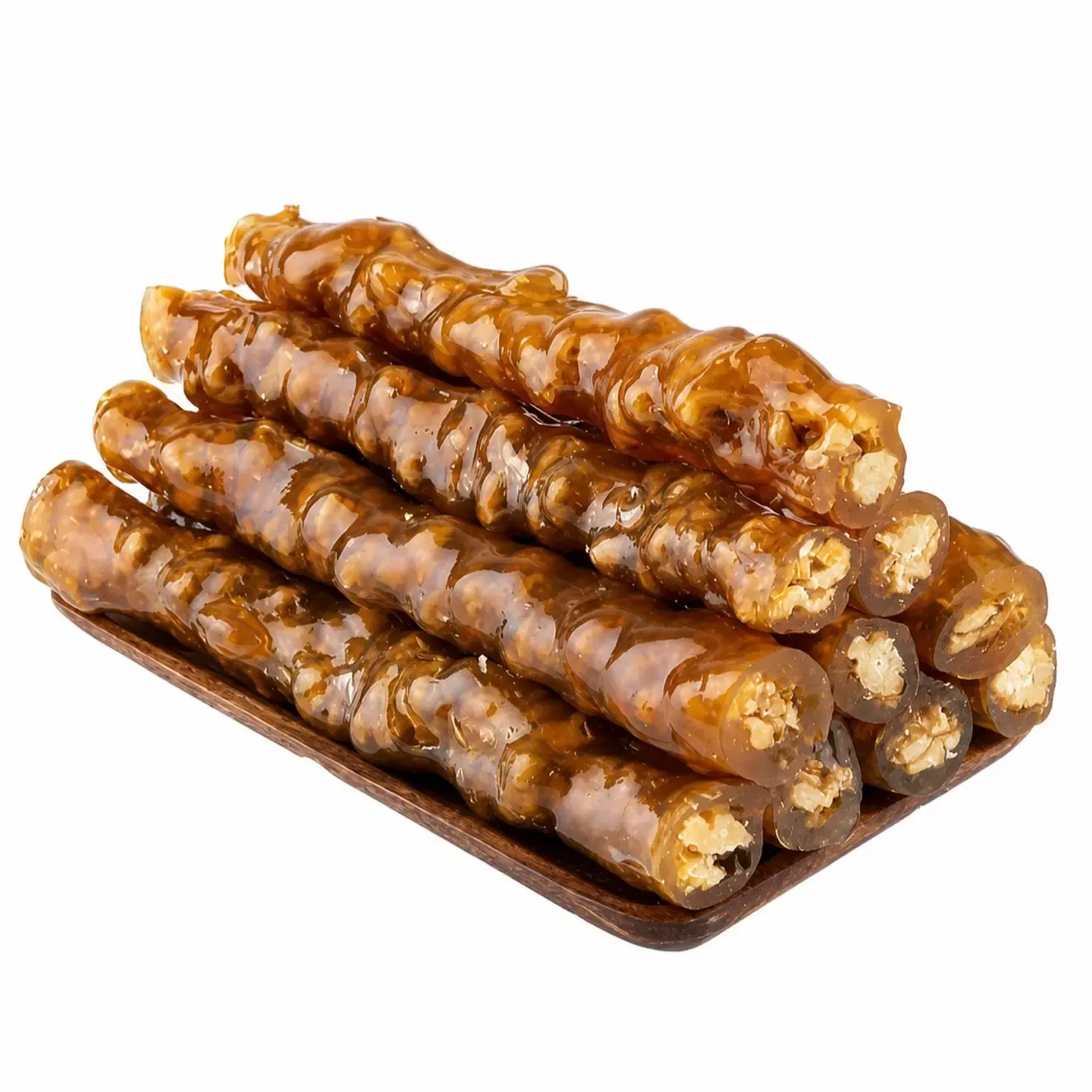
Churchkhela: the Georgian energy bar that predates protein bars by 1,000 years
Churchkhela is a Georgian confection made by dipping threaded walnuts or hazelnuts repeatedly into thickened grape must until a candle-shaped sweet forms. It has been carried by Georgian warriors and travellers as portable food for over a thousand years. It also happens to be genuinely nutritious.
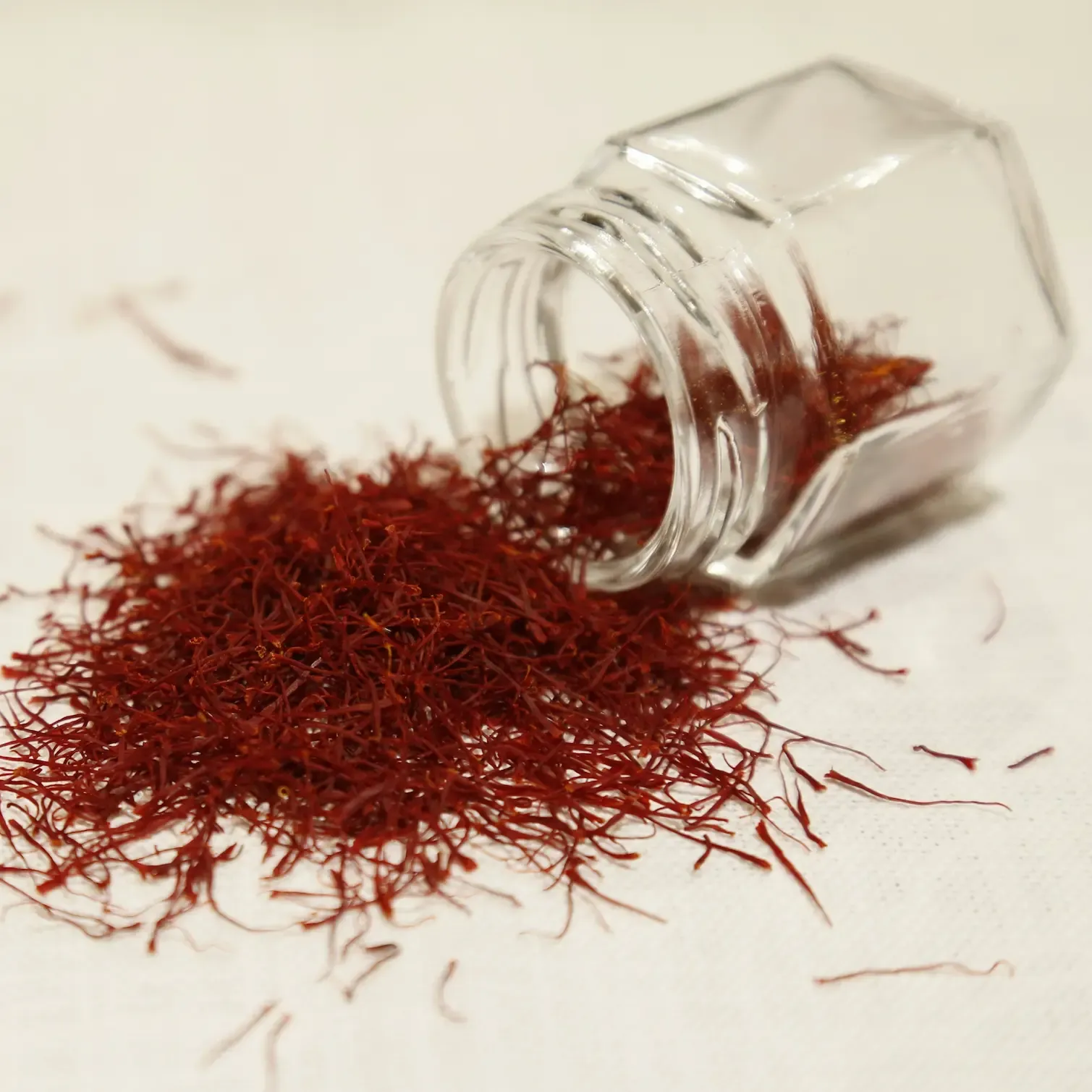
Saffron costs more than gold by weight
The world's most expensive spice is three red stigmas from a single autumn crocus. To make one kilo you pick a hundred and fifty thousand flowers — by hand, before the sun is up.
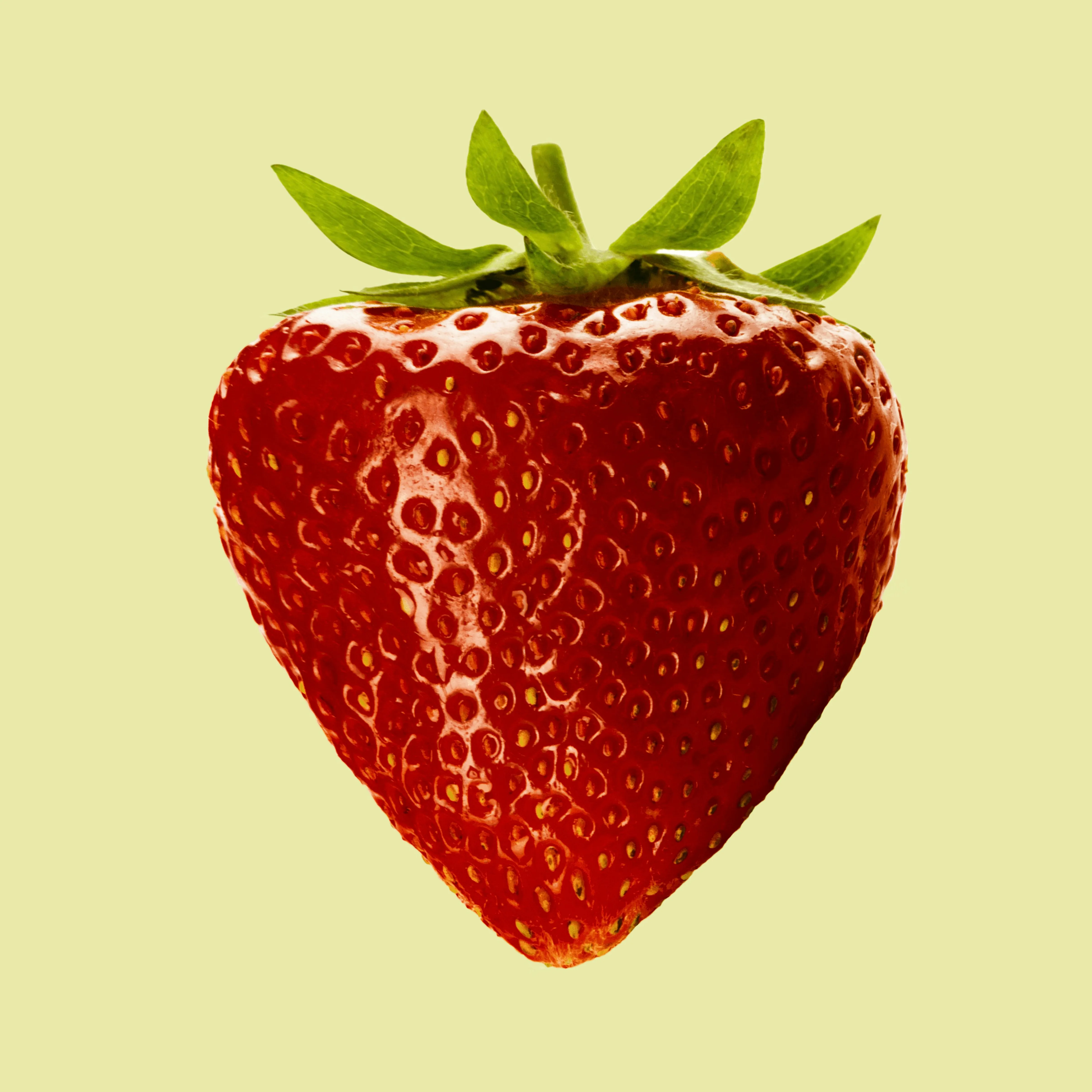
Strawberries are not berries — but bananas and avocados are
In botanical terms, a berry is a fleshy fruit developed from a single flower with one ovary. By this definition, strawberries, raspberries, and blackberries are not berries — but bananas, avocados, tomatoes, peppers, and cucumbers are. The mismatch between botanical and culinary definitions confuses almost everyone the first time they encounter it.